Introduction of Seismic Time To Depth Conversion Average Velocity Method
Looking for the latest information on Seismic Time To Depth Conversion Average Velocity Method? We've researched comprehensive data, records, and insights about Seismic Time To Depth Conversion Average Velocity Method.
Important Facts
Explore the primary sources for Seismic Time To Depth Conversion Average Velocity Method.
Recent Updates
Stay updated on Seismic Time To Depth Conversion Average Velocity Method's newest achievements.
Calibrating velocities Part 1 - generate Delta curve
Complex Velocity Model Building using X Works - Part 1: Velocity Review and Workflows
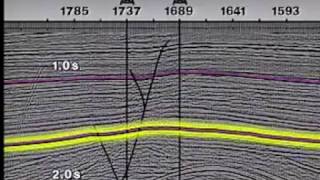
Seismic time stack velocities, seismic processing
Seimsic time to depth conversion: Time line method
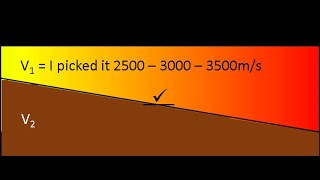
Picking seismic velocities for psdm depth migration. Wrong velocities means wrong depth & structure.
Simple Time to Depth conversion of 2D seismic data in OpendTect
'Fast or Slow' - How to model your velocities with Blueback Rocks Velocity
Time to Depth Conversion Explained | Reservoir & Seismic Interpretation (Petrel Workflow)
Comprehensive post-stack velocity modeling for interpreters and depth conversion experts.
Kingdom Calibrating Seismic Velocities to Well Velocities for Depth Conversion in VelPAK/Velit
Complex Velocity Model Building using X-Works - Part 2: Working with the Software
Deep Dive
Data is compiled from public records and verified media reports.
Last Updated: August 20, 2026
Final Thoughts
For 2026, Seismic Time To Depth Conversion Average Velocity Method remains one of the most searched-for information profiles. Check back for the newest reports.
Disclaimer: Disclaimer: All information is compiled from publicly available data, media reports, and analysis. Actual details may vary.